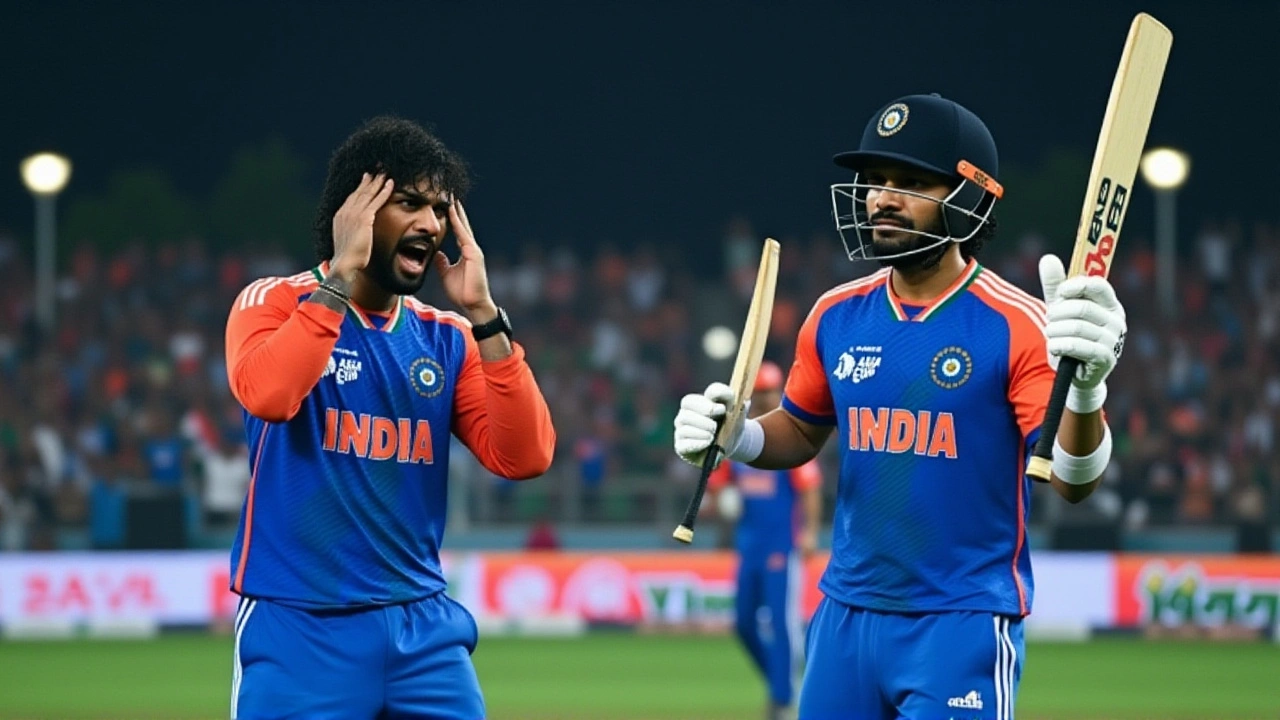
It’s rare for a team to shake up its lineup so drastically on the final day of a series, but Team India did exactly that. In a surprising move at the toss for the fifth and final T20I against Australia, captain Suryakumar Yadav announced that left-hander Rinku Singh had replaced Tilak Verma in the playing XI.
The match took place on Saturday, November 8, 2025, at the iconic The Gabba, Brisbane. While the series result was already mathematically decided—India couldn't lose even if they dropped this game—the selection change sent ripples through the cricketing world. It wasn’t about fitness or injury. It was purely about performance.
The Numbers Don't Lie: Why Tilak Was Benched
Here’s the thing about international cricket: form is fleeting, and selectors don’t take kindly to prolonged droughts. Over the previous four matches of this five-game series, Tilak Verma simply didn’t deliver. He played in three innings across those games, scoring a meager total of just 34 runs.
His highest score? A modest 29. That gave him an average of 11.33—a statistic that looks particularly stark when you consider the pressure-cooker environment of a home-and-away series against a rival like Australia. Reports from Aaj Tak highlighted that this dip in form was the primary reason for his exclusion. There were no injury concerns cited; it was a cold, hard decision based on run-scoring ability.
But wait, why bring in Rinku Singh? After all, he hadn’t played a single ball in the first four matches. The logic seems to be simple: desperation breeds experimentation. With nothing to lose in the final rubber, the management wanted to test a different dynamic in the middle order. Rinku, known for his explosive finishing capabilities, offered a change of pace that Tilak’s more classical approach wasn’t providing at that moment.
Playing XIs: Who Took the Field?
Let’s look at who actually walked out onto the pitch. India’s side featured a mix of veterans and new faces, aiming to keep momentum going despite the series being wrapped up.
- Openers: Abhishek Sharma and Shubman Gill
- Middle Order: Suryakumar Yadav (Captain), Rinku Singh, Jitesh Sharma (WK)
- All-Rounders: Axar Patel, Washington Sundar, Shivam Dube
- Bowlers: Arshdeep Singh, Varun Chakravarthy, Jasprit Bumrah
On the other side, Australia fielded their strongest available unit, led by captain Mitchell Marsh. Their lineup included Matthew Short, Josh Inglis (WK), Tim David, Josh Philippe, Marcus Stoinis, Glenn Maxwell, Xavier Bartlett, Nathan Ellis, Adam Zampa, and Ben Dwarshuis.
Series Context: How We Got Here
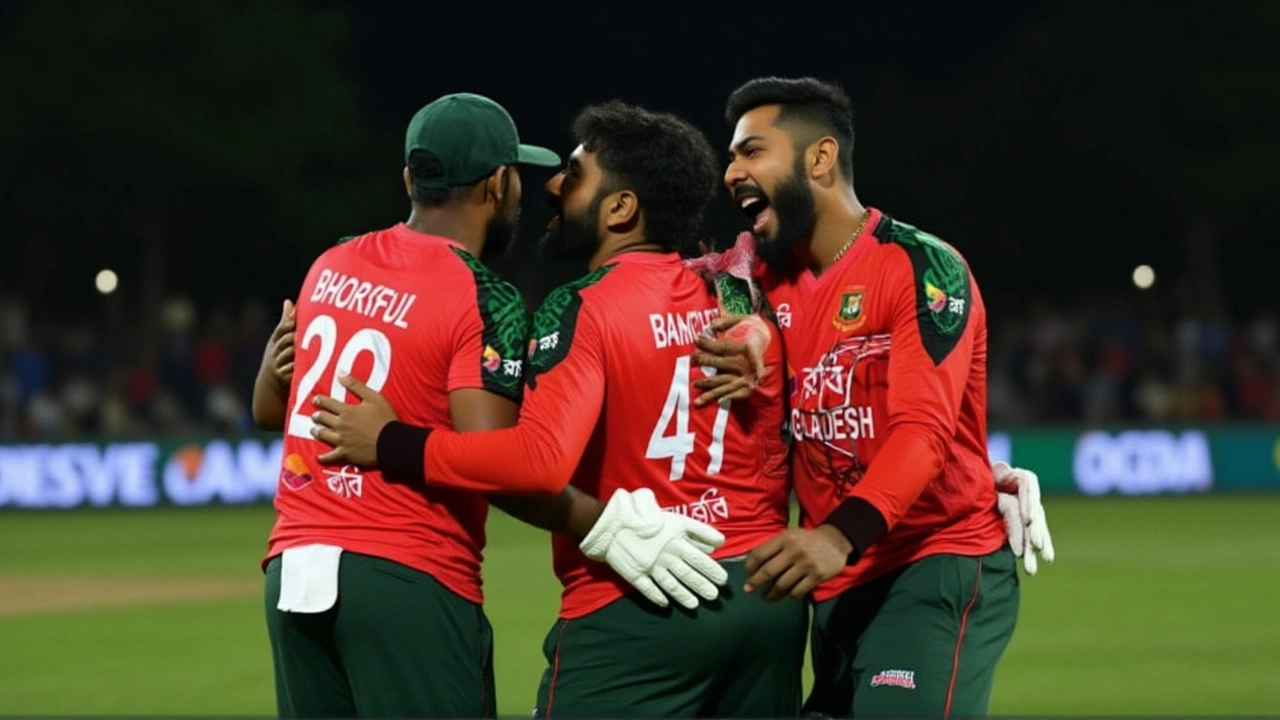
To understand the weight of this final match, you have to look back at the chaotic timeline of the series. It started poorly for both teams with the first T20I in Canberra called off due to rain on October 29. No points, no play—just frustration.
Then came Melbourne on October 31, where Australia struck first, beating India by 4 wickets. But India bounced back in Hobart on November 2, winning by 5 wickets. The real turning point, however, was the fourth match on November 6 at the Heritage Bank Stadium, Gold Coast. India dominated there, cruising to a massive 48-run victory.
That win put "Surya & Co." ahead 2-1 in the series. Since only one match remained, India was mathematically safe from losing the series regardless of the outcome at the Gabba. This context is crucial because it explains why the management felt free to make such a bold personnel change. They weren’t protecting a lead; they were exploring options.
Historical Head-to-Head: India Dominates
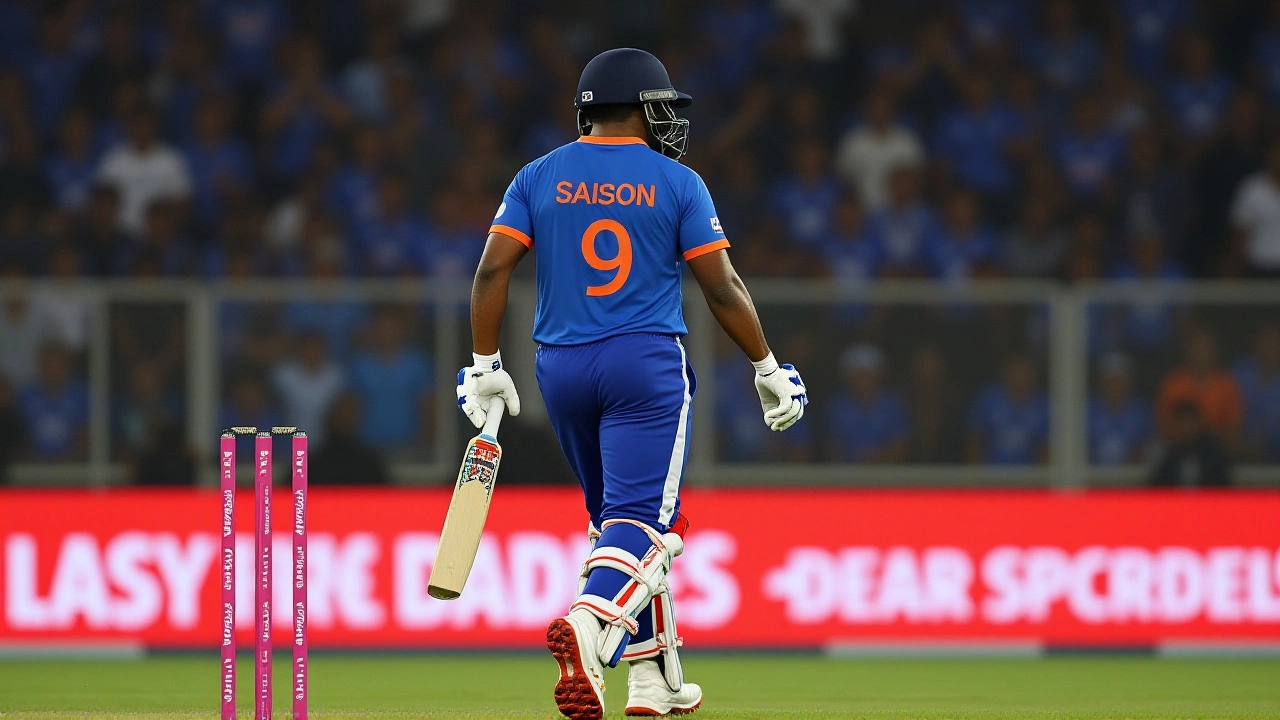
If you step back and look at the bigger picture, India has historically held the upper hand in T20Is against Australia. Out of 36 total encounters between the two nations in this format, India has won 22 matches. Australia has managed 12 wins, with 2 matches ending as no-results.
This statistical dominance gives the Indian team confidence, perhaps explaining why they’re willing to tinker with their lineup even in high-profile venues like Brisbane. The Gabba is traditionally a fortress for Australian cricket, yet India’s overall record suggests they aren’t intimidated by the venue.
Frequently Asked Questions
Why was Tilak Verma dropped for the final T20I?
Tilak Verma was dropped primarily due to poor batting form. He scored only 34 runs in three innings during the series, resulting in an average of 11.33. The management decided to give another player a chance rather than continue with a struggling batsman, especially since the series outcome was already secured.
Who replaced Tilak Verma in the playing XI?
Left-handed batter Rinku Singh replaced Tilak Verma. Interestingly, Rinku had not played in any of the previous four matches of the series, making this his debut appearance in this particular tour. His inclusion was seen as a strategic experiment to add power-hitting depth.
What was the final result of the series?
India entered the final match with a 2-1 lead after winning the fourth T20I by 48 runs. Since the series consisted of five matches and one was washed out, India could not lose the series regardless of the result of the fifth match at the Gabba.
How does India's historical record compare against Australia in T20Is?
India holds a significant advantage in head-to-head T20I history against Australia. Out of 36 matches played, India has won 22, while Australia has won 12. Two matches ended without a result. This strong historical performance likely contributed to India's confident approach to squad rotation.
Was there any injury concern regarding Tilak Verma?
No, there were no reported injuries or fitness issues concerning Tilak Verma. All reports indicated that his exclusion was strictly performance-based. The decision was made purely on statistical grounds and tactical considerations for the final match.