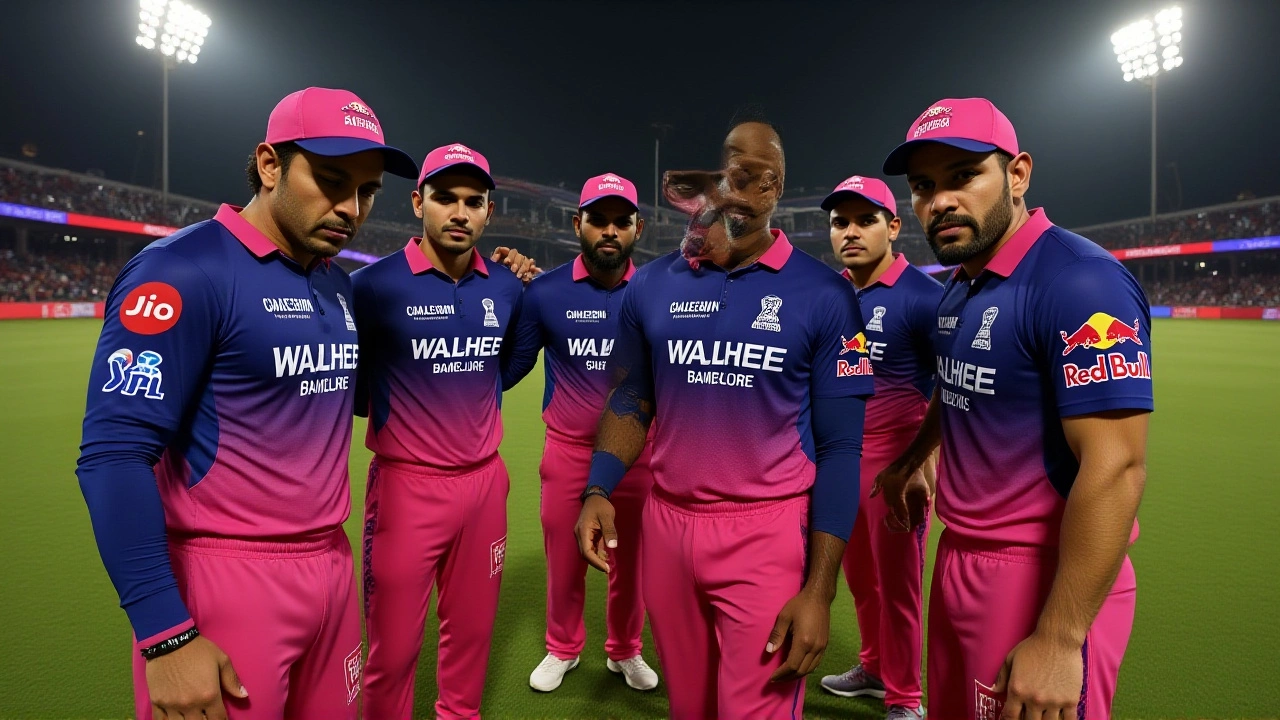
The tension finally broke. After a grueling league phase that saw alliances shift and hopes dashed, the four teams punching their tickets to the TATA IPL 2026 PlayoffsIndia have been confirmed. It’s not just about who won; it’s about who survived the mathematical minefield.
As of late May 2026, Royal Challengers Bengaluru, Gujarat Titans, Punjab Kings, and Mumbai Indians stand as the final four. The race was brutal. Eight teams were mathematically alive heading into Match 58, but only these franchises navigated the treacherous waters of net run rates (NRR) and head-to-head results to secure their spots.
The Top Two: RCB and GT Lead the Charge
Here’s the thing about finishing top two: you get a double chance at glory. Both Royal Challengers Bengaluru and Gujarat Titans finished the league stage with identical records—12 matches played, 16 points earned. But the devil is in the details, specifically the NRR.
RCB sat pretty at the summit with a staggering NRR of +1.053. They had one foot in the playoffs early on, and by winning crucial fixtures against Punjab Kings and Sunrisers Hyderabad, they sealed their destiny. A win over PBKS guaranteed them 18 points, effectively removing NRR from the equation for qualification. Meanwhile, GT matched their point tally but trailed slightly in run rate (+0.551). Despite this, their consistency kept them firmly in the top tier, setting up a mouth-watering Qualifier 1 clash.
The Underdog Story: Punjab Kings’ Miracle Run
Turns out, Punjab Kings didn’t just qualify—they punched above their weight. Sitting at 13 points for much of the latter half, their fate hung by a thread. The official scenarios painted a grim picture: they needed Chennai Super Kings and Rajasthan Royals to lose everything, while hoping Delhi Capitals and Kolkata Knight Riders won specific games in a pattern that favored PBKS.
It sounds like a lottery ticket, right? But somehow, the stars aligned. PBKS didn’t just scrape through; they secured a spot in Qualifier 1. This means they’ll face either RCB or GT in the first knockout game, bypassing the do-or-die Eliminator. For a team often criticized for inconsistency, this is a massive statement of intent.
Mumbai Indians: From Eliminated to Final Four
But wait—didn’t we hear Mumbai Indians were out? Early reports from the official IPL site listed them alongside Lucknow Super Giants as "eliminated" during the mid-league crunch. Analysts on YouTube gave them a slim 20% chance, citing poor home form. They’d won just one of their first three home games and struggled away.
Yet, here they are. Mumbai Indians staged a comeback that defied the odds. By securing critical wins in their remaining fixtures, they climbed back into the top four. Now, they’re set for the Eliminator. With five previous titles under their belt, MI knows how to handle pressure. Their path is harder—they must win the Eliminator to stay alive—but their experience makes them dangerous opponents.
The Heartbreak: Who Got Left Behind?
For every winner, there’s a loser. And this year, the pain was sharp for several contenders:
- Kolkata Knight Riders (KKR): With only 9 points from 11 matches and an NRR of -0.198, KKR’s campaign fizzled out. A loss to RCB proved fatal. Even if they reached 15 points, they needed other results to go their way. At 13 points, they were eliminated for all practical purposes.
- Delhi Capitals (DC): DC faced the toughest challenge due to a dismal NRR of -0.993. They needed to win both remaining matches against Rajasthan Royals and KKR to reach 14 points. They couldn’t pull it off.
- Lucknow Super Giants (LSG): Listed as eliminated mid-season, LSG’s 14% probability vanished. They needed a miracle run of home wins that never materialized.
- Chennai Super Kings (CSK): Injured player Ayush’s absence hurt CSK’s chances. Needing six wins from eight games, their 16% hope faded as results went against them.
The Road to the Final: Venues and Dates
The knockout stage kicks off with high stakes across India. Here’s where and when the action unfolds:
Qualifier 1
Date: May 26, 2026
Venue: Himachal Pradesh Cricket Association Stadium, Dharamshala
Matchup: Top two teams (Likely RCB vs GT)
Eliminator
Date: May 27, 2026
Venue: New International Cricket Stadium, New Chandigarh
Matchup: Third vs Fourth (PBKS vs MI)
Qualifier 2
Date: May 29, 2026
Venue: New International Cricket Stadium, New Chandigarh
Matchup: Loser of Q1 vs Winner of Eliminator
The Final
Date: May 31, 2026
Venue: Narendra Modi Stadium, Ahmedabad
Matchup: TBD
What This Means for Fans
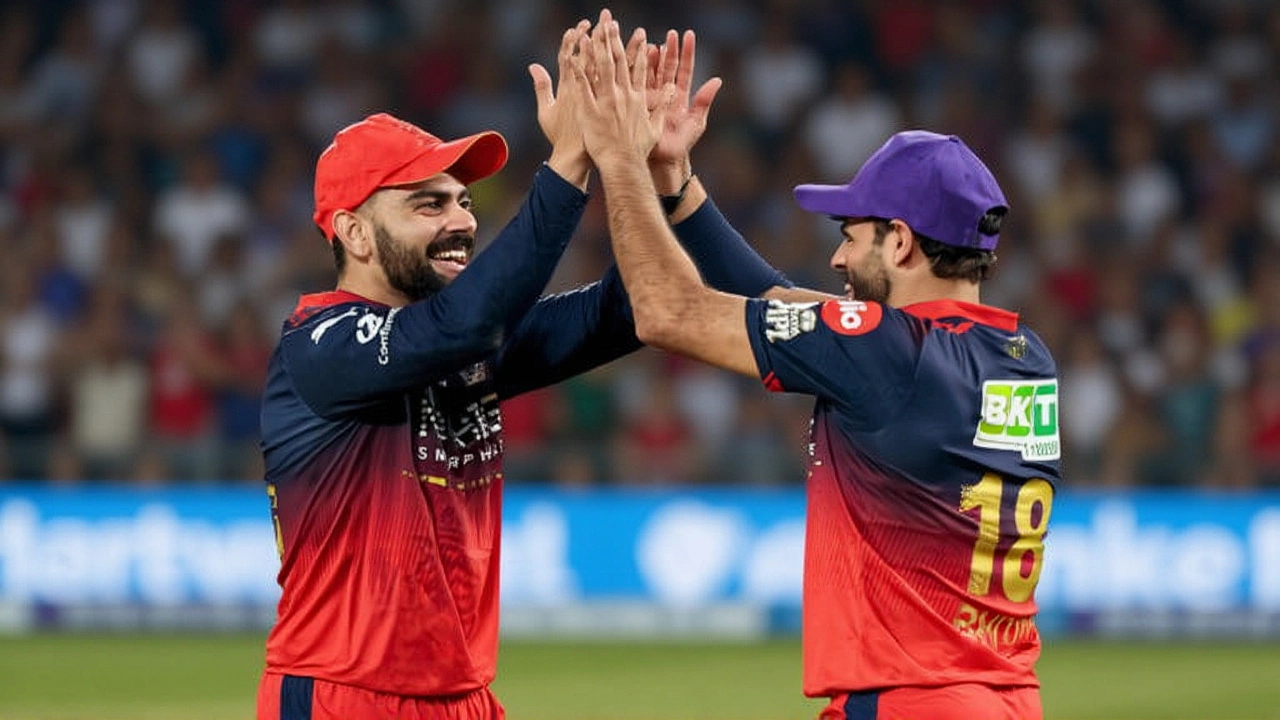
The narrative of IPL 2026 isn’t just about talent; it’s about resilience. RCB and GT showed dominance, but PBKS and MI showed heart. The fact that Mumbai Indians clawed back from being labeled "eliminated" adds a layer of drama rarely seen in cricket. Meanwhile, the venues chosen—from the high-altitude pitch in Dharamshala to the colossal arena in Ahmedabad—promise diverse playing conditions that could swing any match.
As we head into the knockout phase, one question remains: Can the experienced Mumbai Indians overcome the momentum of Punjab Kings? Or will the top-two giants, RCB and GT, cruise through to the final? The answers lie in the next few days.
Frequently Asked Questions
Which four teams qualified for the IPL 2026 playoffs?
The four teams that secured playoff spots are Royal Challengers Bengaluru, Gujarat Titans, Punjab Kings, and Mumbai Indians. RCB and GT finished in the top two, while PBKS and MI took the third and fourth positions respectively.
Why was Mumbai Indians' qualification considered unlikely?
Mid-season analysis suggested Mumbai Indians were eliminated due to poor home form and inconsistent away performances. Analysts estimated only a 20% chance of qualification, requiring them to win at least three home and three away games from their remaining fixtures—a feat many deemed improbable.
Where will the IPL 2026 Final be held?
The final is scheduled for May 31, 2026, at the Narendra Modi Stadium in Ahmedabad, Gujarat. This venue has hosted several previous IPL finals and offers a large capacity for fans.
How did Punjab Kings manage to reach Qualifier 1?
Punjab Kings benefited from a complex web of results involving other teams. They needed Chennai Super Kings and Rajasthan Royals to lose their remaining games, while relying on specific outcomes from Delhi Capitals and Kolkata Knight Riders matches. Their strong net run rate and key victories allowed them to finish in the top two despite having fewer points than RCB and GT earlier in the season.
What role did Net Run Rate (NRR) play in the standings?
NRR was decisive for several teams. Royal Challengers Bengaluru led with an NRR of +1.053, while Delhi Capitals suffered with -0.993, which hindered their qualification chances despite reaching 14 points. For teams tied on points, NRR serves as the primary tiebreaker, making every run scored and conceded crucial in the final league matches.